
Tampa’s 50 Percent Rule: What to Check Before Repairing a Flood Damaged Home
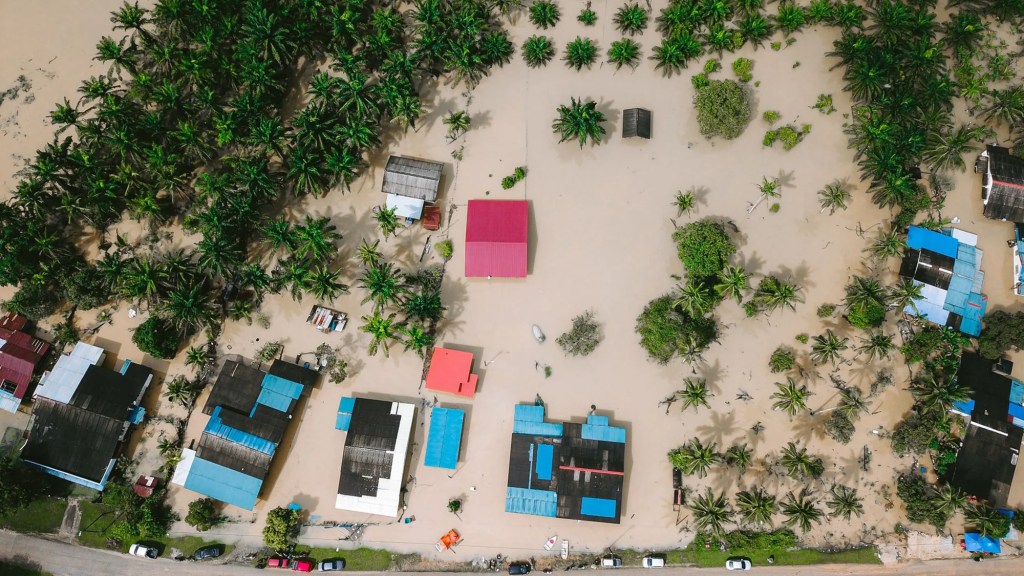
Before committing to permanent flood repairs in Tampa, check whether the city needs a substantial damage determination. The 50 percent rule is an existing floodplain requirement, not a new October announcement. It can affect the standards a damaged home must meet when it is repaired.
What a Yard Grading Assessment Should Cover Before Work Begins

What a Yard Grading Assessment Should Cover Skip to article Homeowner guideDrainage & Water ManagementNovember 7, 2026 What a Yard Grading Assessment Should Cover Before Work Begins Yard grading changes ground levels and the paths water can take. Before soil is added or removed, an assessment should explain the existing problem, the proposed flow route, […]
Flood Zone Maps Are a Starting Point, Not a Complete Property Risk Review
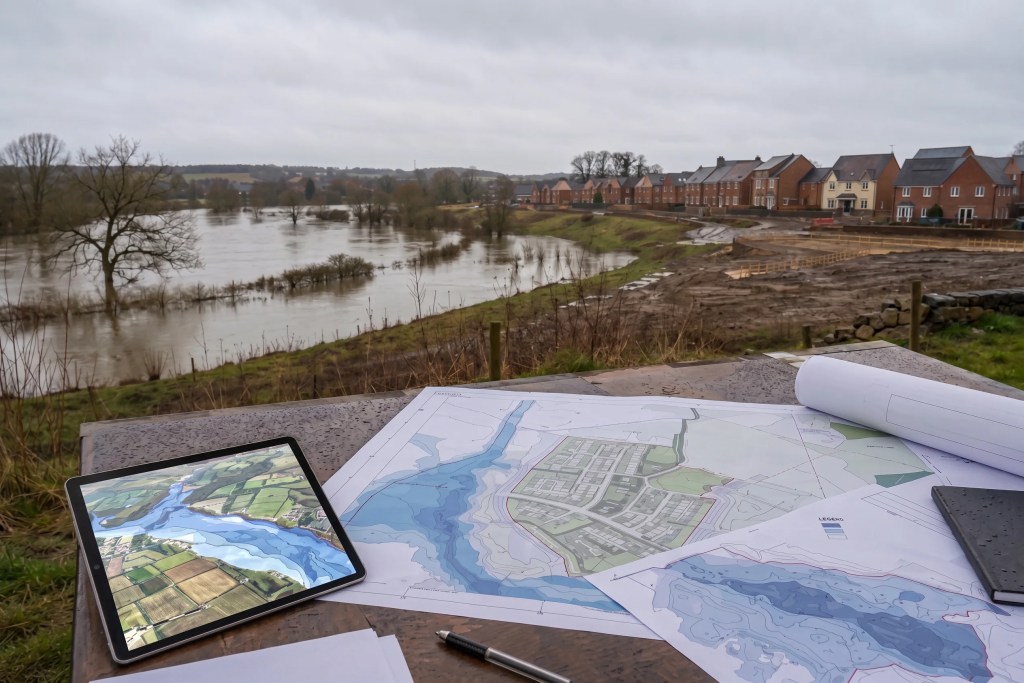
A flood-zone map is a useful first check when you are buying, renovating, or reviewing a home. It shows mapped hazards, but it cannot tell you whether water has entered a particular basement or whether a drainage repair worked. Read the map alongside building records, local information, and an insurance review before deciding what to do next.
Harris County’s Draft Flood Maps What Houston Homeowners Need to Know
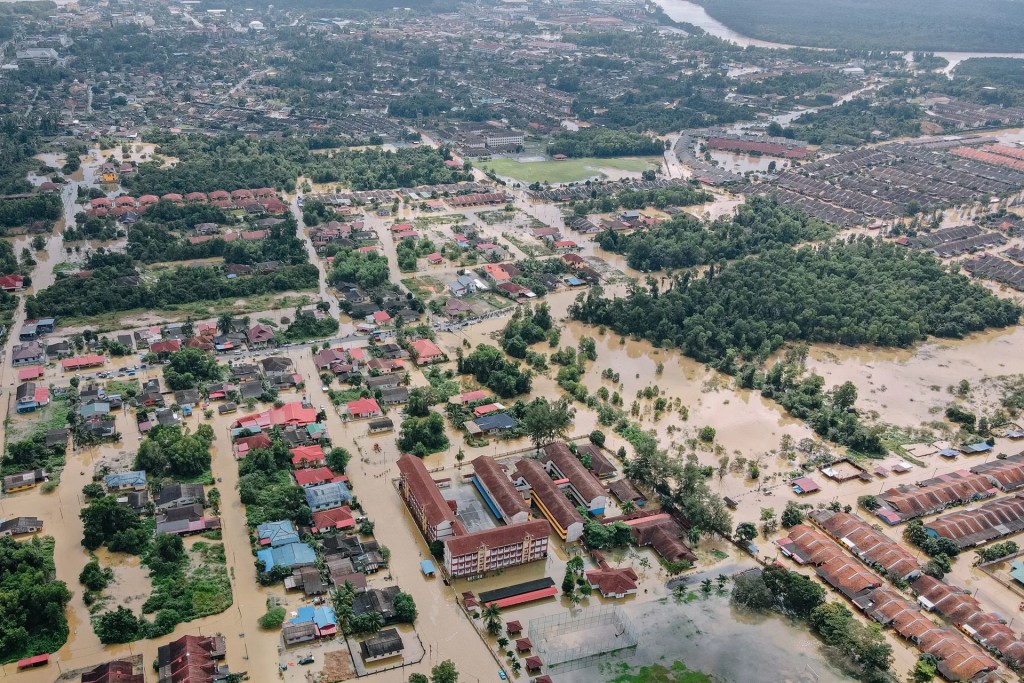
Harris County’s draft flood maps can help Houston homeowners ask better questions about flood exposure. They are not final regulatory maps. Before making an insurance, purchase, or renovation decision, separate the draft information from the effective maps and local requirements that apply to the address.
Tampa’s Wet October Shows Why Homeowners Should Check for Water Entry
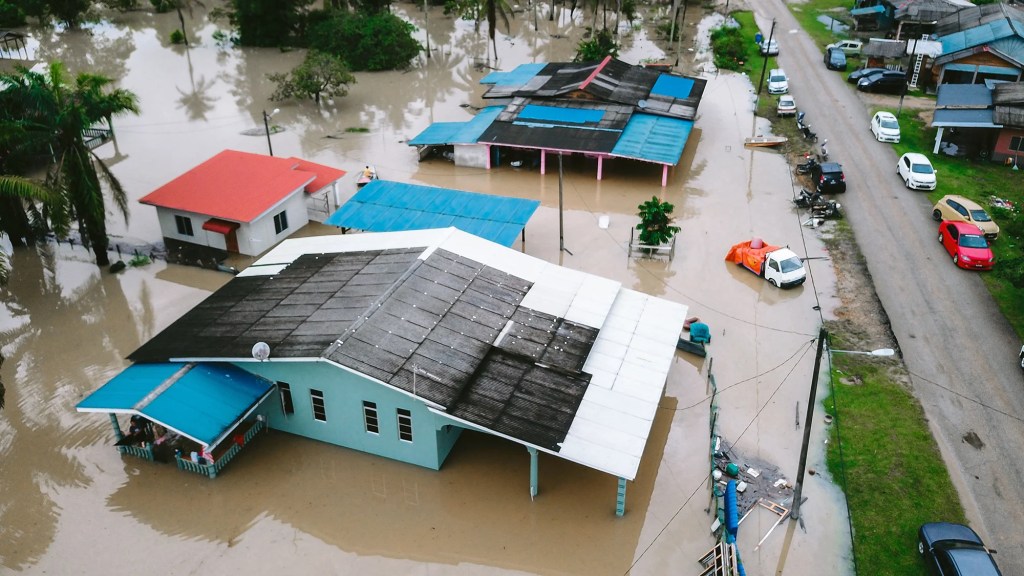
Tampa finished October with more than twice its normal monthly rainfall, according to the National Weather Service. That makes this a useful time to review any water entry you observed, gather repair records, and investigate moisture that remains unresolved.
Foundation Cracks in Houston When to Request an Assessment
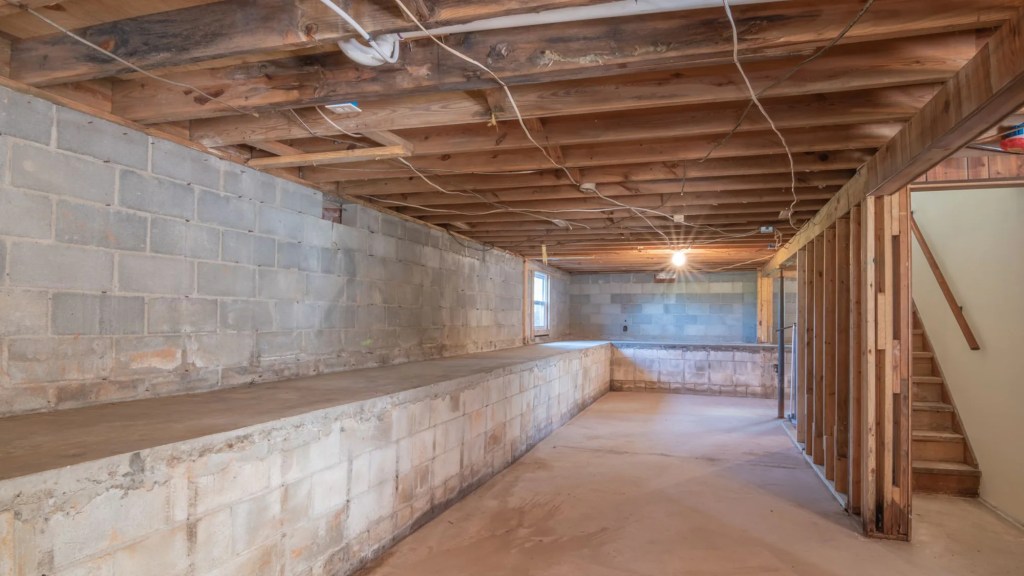
A crack is a reason to gather information, rather than a diagnosis by itself. For a Houston home, new or changing cracks, related building changes, and a history of water or repairs can help frame the assessment. Ask a qualified professional to explain the findings before deciding whether repair, further investigation, or monitoring is appropriate.
How Climate Ready Matches You With Local Contractors

A useful contractor match starts with a clear description of your property concern. Explain where the property is, what you have noticed, and whether you need an evaluation or a quote for work already identified. Get Climate Ready can help you seek a local contact. The next step is to confirm that the contractor handles the task and can explain what a visit will cover.
Water Collecting Beside Your Foundation What to Ask a Drainage Contractor

Water collecting beside a foundation deserves a closer look, but a puddle alone does not establish structural damage or identify the right repair. Ask a drainage contractor to explain the source, flow path, and discharge options before recommending a drain or grading work. Keep questions about the foundation’s condition separate from the drainage proposal.
What New Clear Creek Flood Projects Can Tell Homeowners About Local Risk

An October 28 engineering announcement marks another planning step for flood reduction along Clear Creek. For homeowners, it is a reason to learn how regional improvements relate to their address, while continuing to investigate existing drainage and water entry concerns.
French Drain or Surface Drain Which Problem Does Each Address
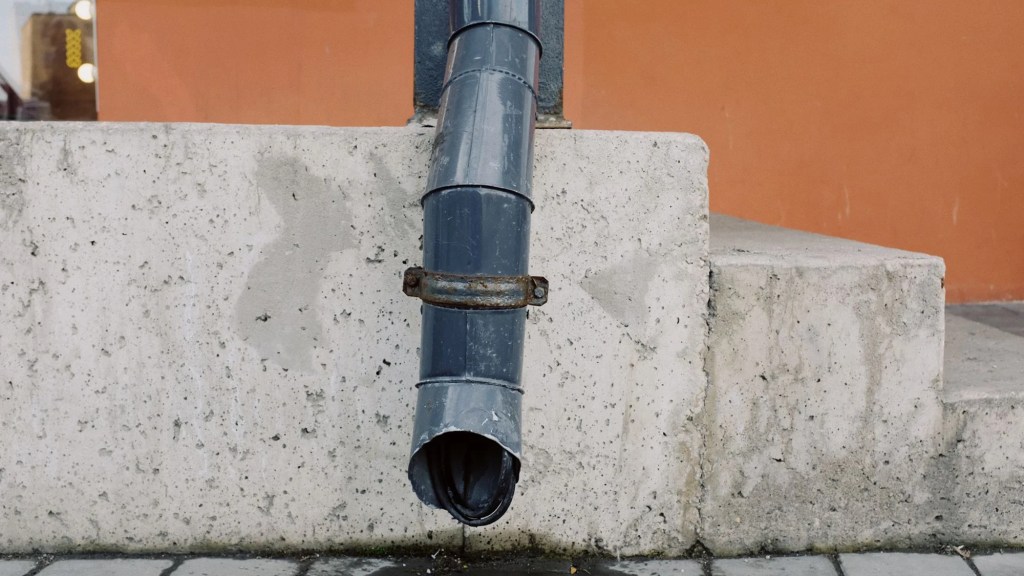
A French drain collects water below ground through a buried drainage system. A surface drain collects runoff through an inlet at ground level. Some yards need both, but neither should be chosen from a puddle photo alone. A useful assessment explains where the water comes from, how it will be collected, and where it can go.