

The United States recorded 23 billion-dollar weather and climate disasters in 2025, with an estimated 276 fatalities and $115 billion in damages. That made 2025 the third-highest year on record for billion-dollar disasters, behind only 2023 and 2024. Climate Central’s 2025 review also notes that the past three years now rank highest for annual disaster counts in this dataset.
That matters because this is not just a recap of last year’s losses. It is a warning about the kind of risk homeowners, buyers, and communities are carrying into 2026. When billion-dollar disasters keep showing up this often, the issue is no longer whether a major event can happen. It is whether a home, neighborhood, or region is prepared for repeated damage, rising costs, and harder recovery.
Why the 2025 numbers stand out
Climate Central reported that 2025 was the 15th consecutive year with an above-average number of billion-dollar disasters. It also found that the average number of these disasters has climbed from about three per year in the 1980s to 20 per year over the last 10 years, from 2016 to 2025. At the same time, the average time between disasters has fallen from 82 days in the 1980s to 16 days over the last 10 years.
NOAA’s long-running disaster database shows the same broader pattern. For 1980–2024, the U.S. averaged 9.0 billion-dollar disasters per year, but for the most recent five-year period, 2020–2024, that average rose to 23.0 per year. NOAA’s U.S. summary also shows 403 confirmed billion-dollar disasters from 1980–2024 before 2025 is added on top.
What kinds of disasters are driving the losses
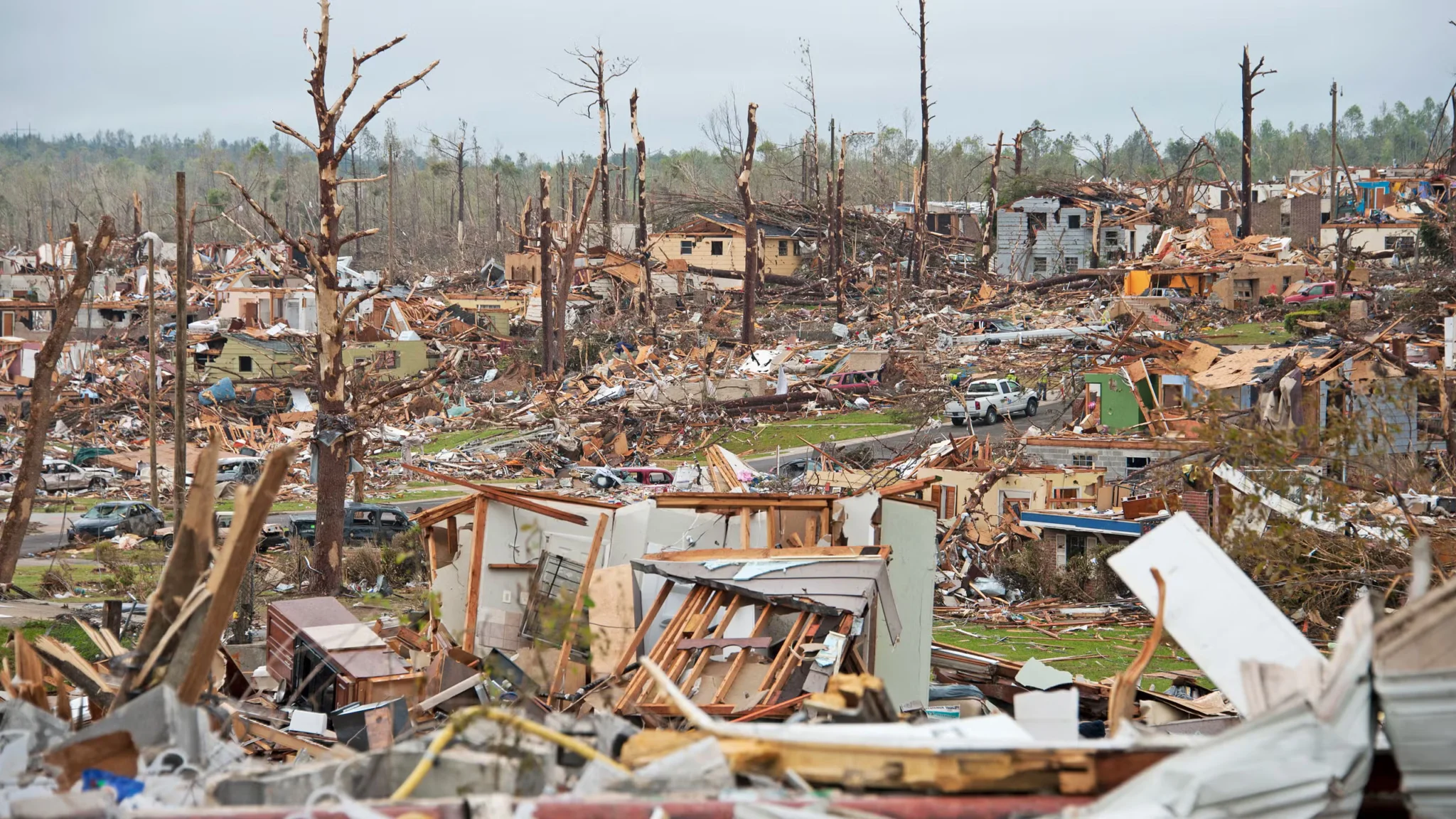
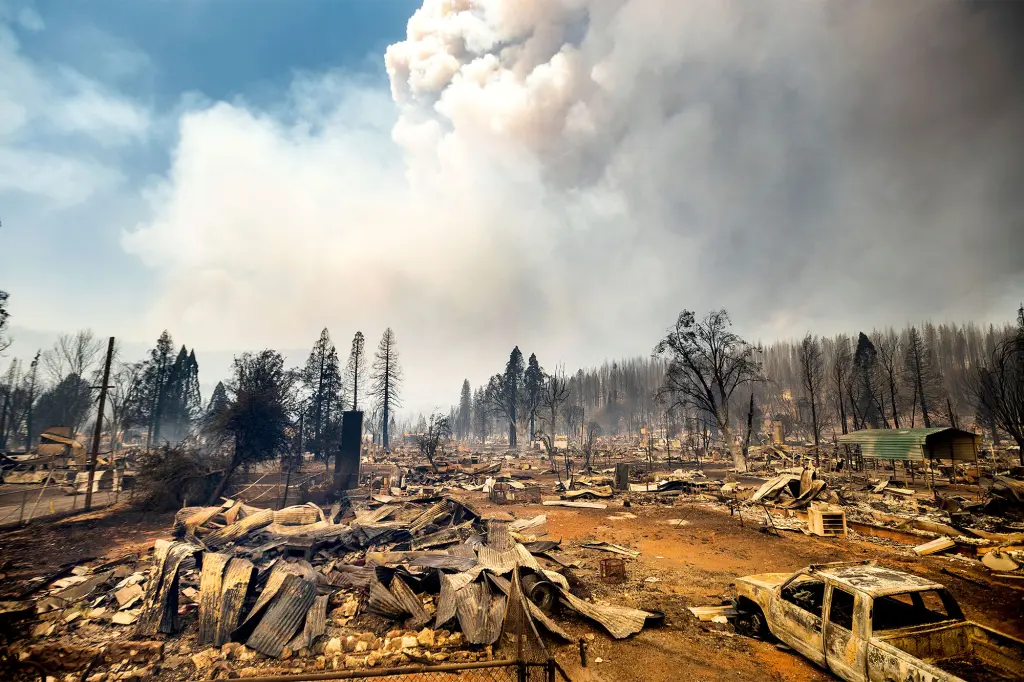
One of the clearest takeaways from 2025 is how much damage now comes from multiple hazard types, not just hurricanes. Climate Central reported that 2025 set a new record for billion-dollar severe storms, with 21 such events. It also said the January 2025 Los Angeles wildfires were the costliest event of the year and the costliest wildfire on record, with $61.2 billion in damages.
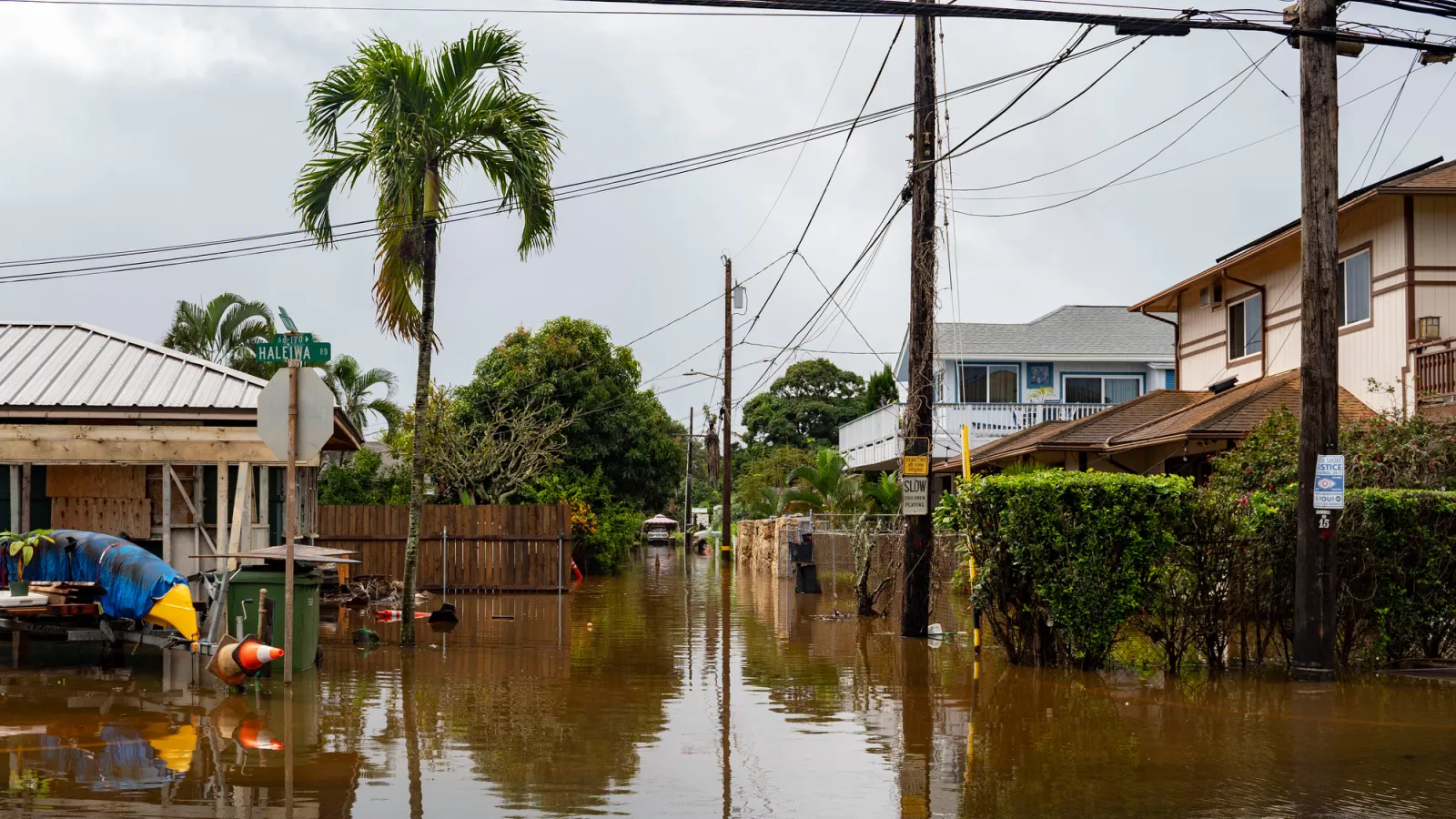
NOAA’s historical breakdown helps show why this matters. From 1980–2024, severe storms were the most frequent billion-dollar disaster type in the U.S. with 203 events, while tropical cyclones caused the greatest share of total costs at $1.543 trillion, or 52.9% of total losses over that period. NOAA’s data also shows 45 flooding events, 32 drought events, and 23 wildfire events in that span.
What this means for homeowners in 2026
The biggest lesson is that climate risk is no longer only about rare worst-case events. It is increasingly about the frequency of damaging events and how little time communities have between them. When disasters come this often, homeowners are more likely to face repeat insurance pressure, delayed repairs, contractor shortages, and rising costs for resilience work and rebuilding. That is an inference based on the documented increase in disaster frequency and the shorter gaps between events.
It also changes how people should think about where and how they live. A property does not have to sit directly on the coast to carry serious climate risk. Severe storms, wildfire, drought, inland flooding, and repeated convective storms are all part of the national loss picture now. The 2025 disaster totals show that risk is spread across multiple regions and hazard types, not one single geography.
For buyers, this means climate exposure should be part of the decision before purchase. For current owners, it means insurance reviews, drainage, defensible space, roofing condition, backup power, and other resilience basics deserve more attention than they used to. For communities, it means recovery planning cannot be separated from future risk reduction.
Why this story still matters now
This story matters because 2025 was not an outlier moving back toward normal. The trend line is moving in the other direction. Climate Central’s review shows the top three years for billion-dollar disaster counts are now 2023, 2024, and 2025, and NOAA’s longer historical record shows the five-year annual average is far above the long-term average.
That makes 2026 less about reacting to last year’s disasters and more about recognizing what the pattern is already showing. Homes and communities are operating in a risk environment where costly weather events happen more often, across more hazard types, and with less time between them.
How Get Climate Ready Helps
Stories like this show why climate-risk planning cannot begin after the next disaster warning goes out.
Get Climate Ready helps homeowners, buyers, and communities understand local climate exposure, compare locations more carefully, and think through practical ways to reduce risk before losses happen. That includes looking at hazards such as flooding, wildfire, severe storms, and heat-related stress, then using that information to make better decisions about homes, upgrades, and long-term planning.
Whether you are assessing a property, reviewing resilience improvements, or trying to understand what climate risk means for your next move, Get Climate Ready gives you a better place to start.
Final takeaway
The 23 billion-dollar disasters recorded in 2025 are not just a statistic. They are a sign of how often major weather losses are now hitting the United States. The lesson for 2026 is simple: know your risks, do not treat them as isolated events, and plan earlier than you think you need to.

