
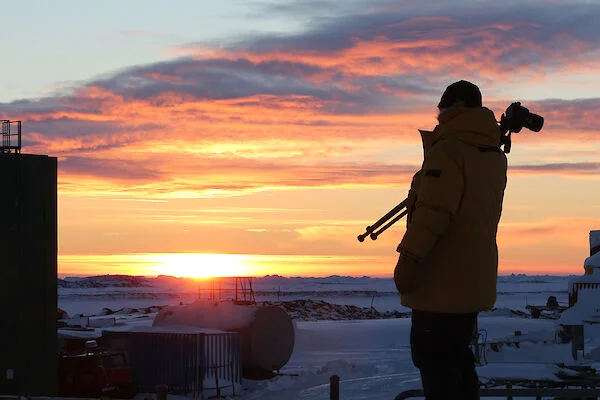
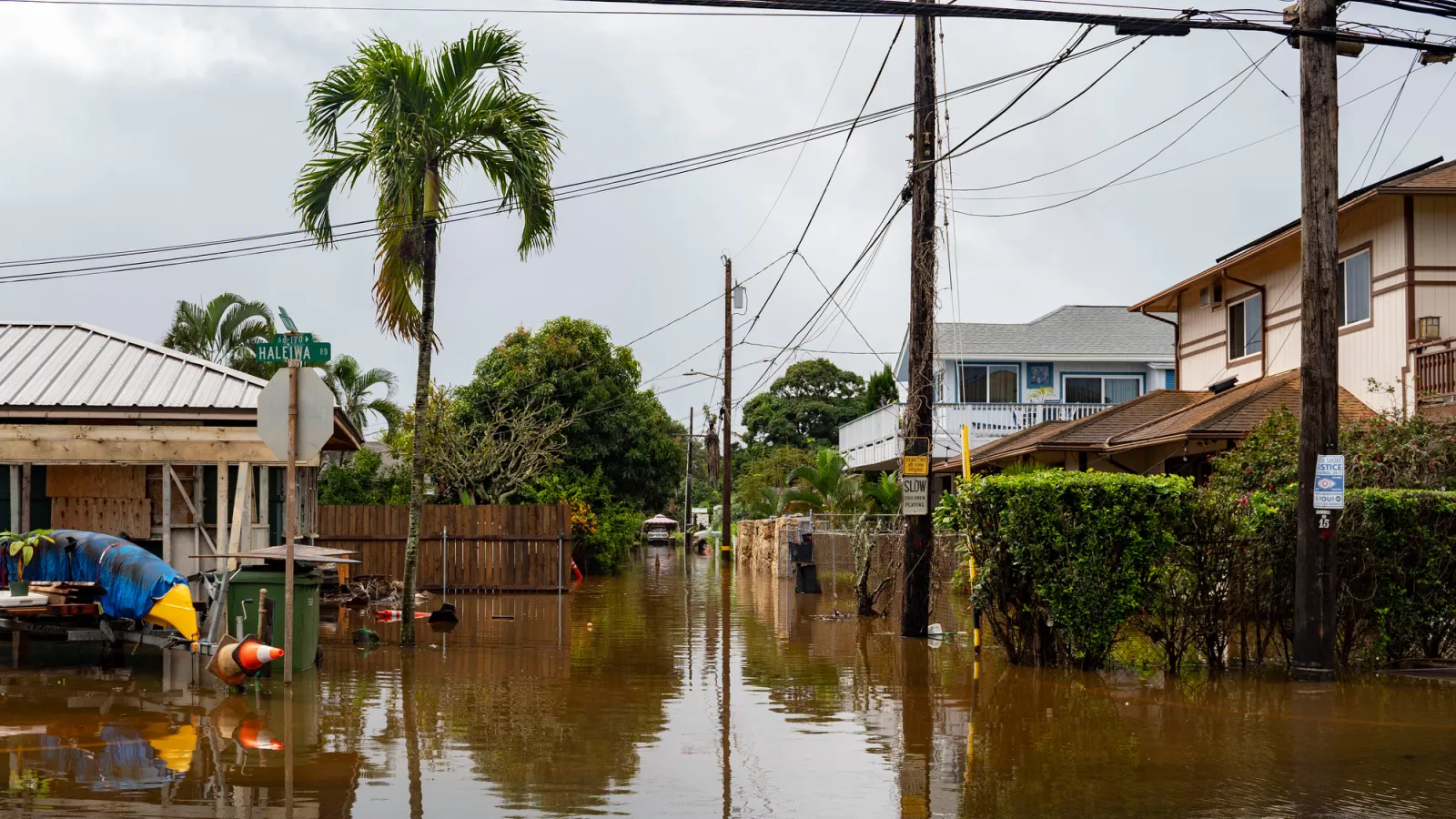
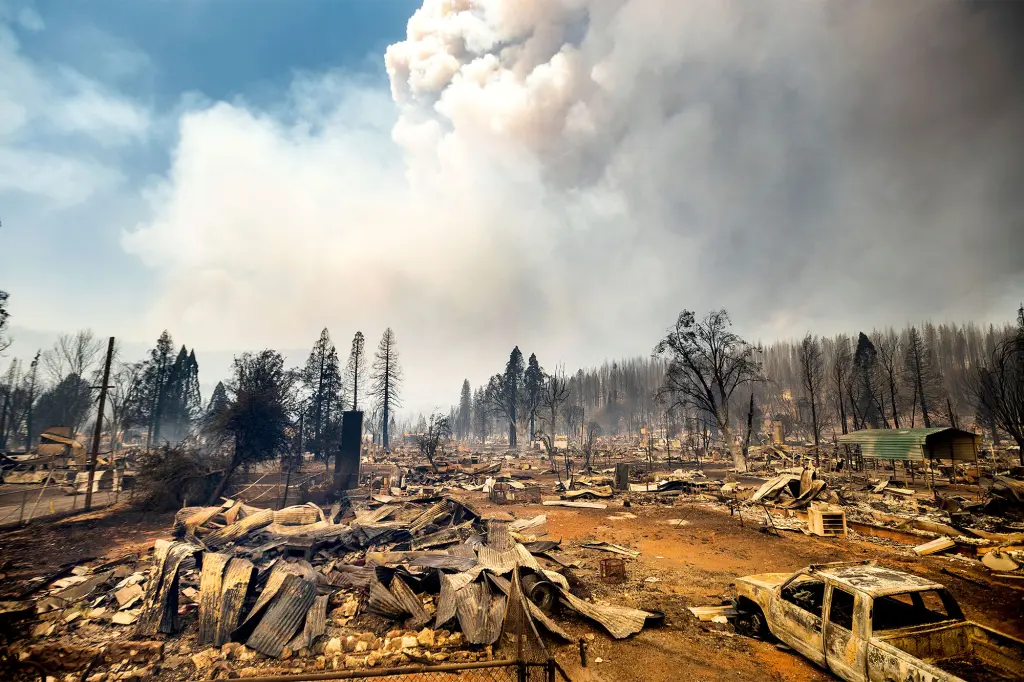

March 2026 was a reminder that U.S. disaster risk does not always arrive one hazard at a time. In mid-March, the Associated Press reported that the country was being hit all at once by a blizzard, a polar vortex, a heat dome, flooding rain, and an atmospheric river, creating a stretch of extreme weather across multiple regions at the same time.
That is what makes this story useful for homeowners. It was not only a weather headline. It showed how quickly different hazards can overlap across the country, and how one pattern can create very different risks depending on where you live. In some places the problem was flooding. In others it was mountain snow, damaging winds, or unusual heat. The bigger lesson is that climate-related risk often stacks, rather than arriving in a clean, isolated way. That last point is an inference based on the simultaneous national hazards described by AP and NOAA.
What happened in March 2026
AP reported on March 13, 2026 that the United States was facing a rare mix of extremes at the same time, including late-season snow and blizzard conditions in the West, flooding rain, record heat in parts of the South, and a cold outbreak affecting other areas. NOAA’s March 2026 national climate report confirms that a long-duration atmospheric river from March 11–14 hit Washington and Oregon, bringing blizzard conditions to the Cascade and Olympic mountains, heavy snow, and flooding concerns in lower elevations.
NOAA also reported that March 2026 ended as the third-warmest March on record for the contiguous U.S., with an average temperature of 48.7°F, which was 5.4°F above average. At the same time, NOAA said the month was also the third-driest March on record for the contiguous U.S., showing how heat and dryness were building even while other regions were dealing with snow and flooding.
Why this pattern matters
The main reason this pattern matters is that it exposed how uneven U.S. risk can be at the same moment. One region was dealing with snowpack, blizzard travel problems, and flood concerns from an atmospheric river, while another was dealing with unusual warmth and drought pressure. AP described it as a national stretch of extremes rather than a single-event disaster. NOAA’s monthly report supports that by showing both major storm impacts in the Pacific Northwest and unusually warm, dry national conditions overall.
For homeowners, that means local risk cannot be judged only by the headline hazard of the week. A home may be exposed to flooding from heavy rain, but the same broader pattern can also bring wind damage, power issues, or later fire risk if dryness builds afterward. That is an inference from the combined AP and NOAA descriptions of simultaneous blizzard, flood, heat, and drought conditions.
What homeowners can learn from it
One lesson is that preparation has to cover more than one scenario. A household that is ready only for snow may not be ready for power loss, road flooding, or unusual early-season heat. A household focused only on wildfire later in the year may miss the warning signs that drought and dry air are already building in spring. NOAA’s March report and AP’s national coverage both point to that broader overlap.
Another lesson is that timing matters. When hazards stack quickly, recovery time shrinks. If one storm brings flooding and the next pattern brings heat, wind, or renewed precipitation, the pressure on homes, roads, drainage, and utilities can build faster than many people expect. That is an inference based on AP’s description of multiple simultaneous extremes and NOAA’s account of a multi-day atmospheric river event layered into an unusually warm and dry month nationally.
Why this story still matters now
This story still matters because it reflects a larger shift in how people experience climate-related risk. The issue is not only that extreme events happen. It is that several different kinds of extremes can happen close together, or at the same time, across different parts of the country. March 2026 made that visible in one month, with flooding, mountain blizzards, severe weather, unusual warmth, and drought all part of the national picture.
It also matters because NOAA’s March climate report shows that the month was both very warm and very dry on a national scale, even while some regions saw intense storm impacts. That combination is exactly why homeowners need to think in terms of layered risk, not single-event planning.
How Get Climate Ready Helps
Stories like this show why climate-risk planning cannot start with only one hazard in mind.
Get Climate Ready helps homeowners, buyers, and communities look at risk more clearly by comparing locations, understanding overlapping hazards, and thinking through practical resilience steps before the next season brings a new set of problems. That includes flood exposure, storm vulnerability, wildfire-related dryness, and the wider patterns that can affect where and how people live.
Whether you are reviewing a property, comparing places to live, or trying to understand how multiple climate risks can affect one decision, Get Climate Ready gives you a better place to start.
Final takeaway
March 2026 showed that U.S. disaster risk can stack fast. Flooding, blizzard conditions, heat, drought, and severe weather were all part of the national picture at once. The lesson is simple: prepare for more than one hazard, because the next climate-related problem may not arrive alone.

