

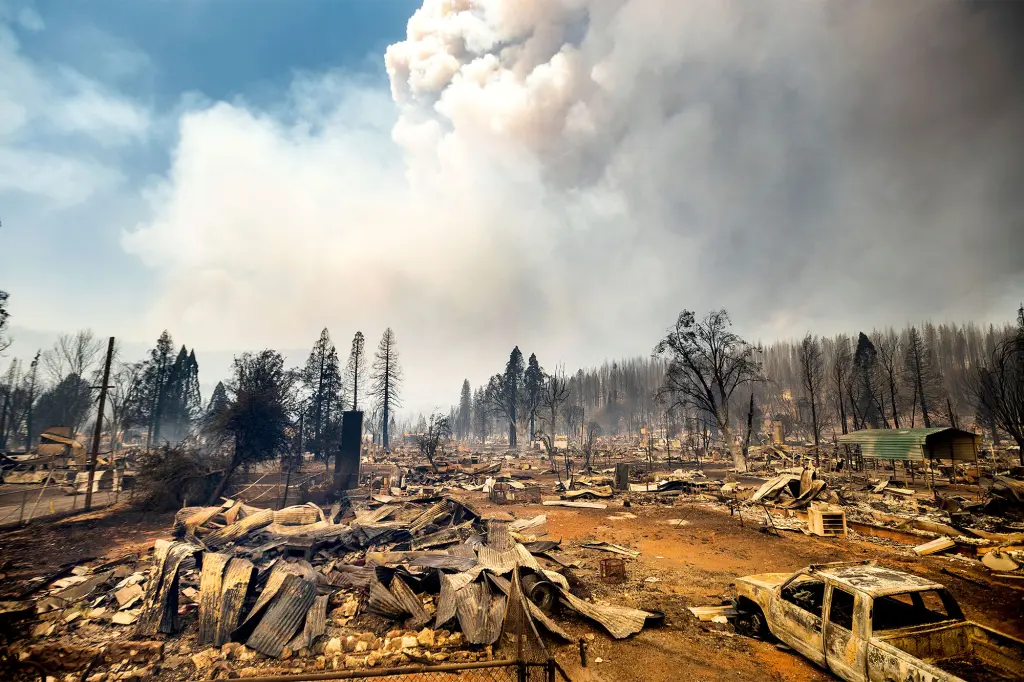


When a wildfire approaches, your home doesn’t need flames to touch it to burn. Embers traveling a mile or more ahead of the fire can land on your roof, pile against your siding, drop into dry gutters, or settle under your deck. Whether those embers ignite your home or burn out harmlessly depends almost entirely on what’s within 100 feet of your walls.
That 100-foot buffer is called defensible space—and it’s the single most controllable factor in whether your home survives a wildfire.
Defensible space is the buffer between your structure and the surrounding area. Adequate defensible space acts as a barrier to slow or halt the progress of fire that would otherwise engulf your property. It also helps ensure the safety of firefighters defending your home CA.
This isn’t just a maintenance task. In many wildfire-prone states, defensible space is required by law. And increasingly, it’s tied to whether you can get or keep homeowners insurance. This guide breaks down the three zones, what each requires, and how to get the work done.
The Problem: Most Homeowners Underestimate What’s Burning
Most people picture a wildfire as a wall of flames. In reality, the majority of homes that burn in wildfires are ignited by embers—tiny burning fragments carried by wind that land on or near the home and find something to catch. The majority of homes lost to wildfire are first ignited by embers and small flames. By reducing the susceptibility of the home and the area immediately around the home, the chances of a home surviving a wildfire are greatly increased Wildfirerisk.
A pile of dead leaves against the foundation. A wooden fence attached to the house. Bark mulch within a few feet of the siding. A firewood stack against the garage wall. Each one is a potential ignition point that, once lit, puts the entire structure at risk.
The good news is that most defensible space work is physical labor, not expensive construction. Many important actions can be taken now. Clearing debris, moving combustible items away from the structure, addressing hazards under decks and stairs, and breaking combustible connections—such as where a wood fence or gate meets a home—can meaningfully reduce ignition risk Wildfire Los Angeles.
Zone 0: The Ember-Resistant Zone (0–5 Feet)
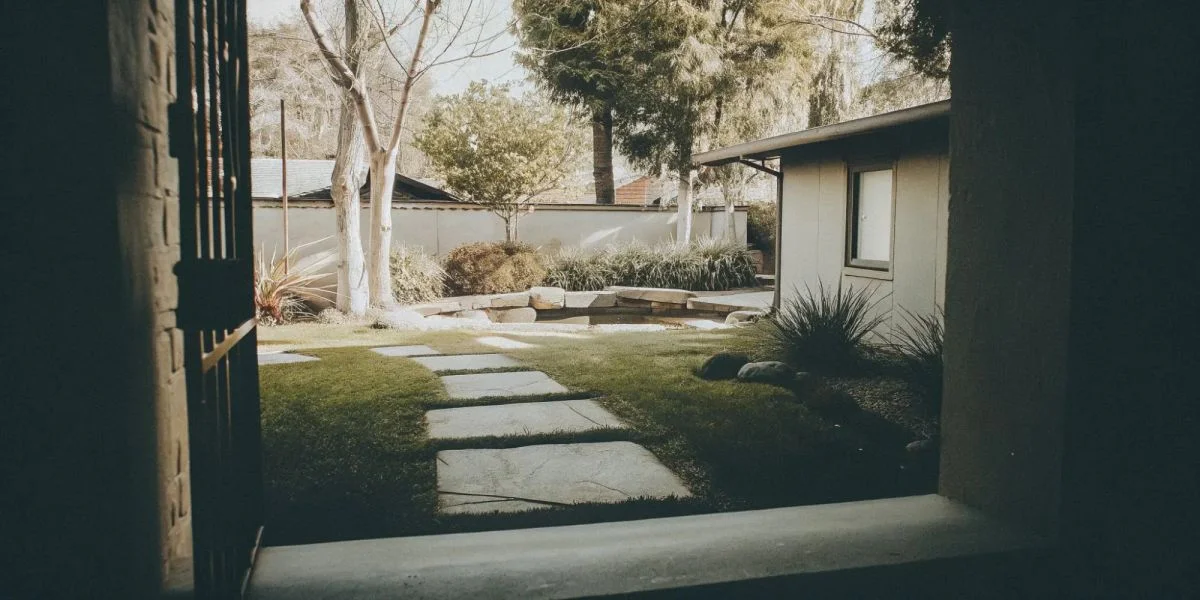
This is the most critical zone and the one that gets the least attention. The first five feet from your home is the most important. Keeping the area closest to buildings, structures, and decks clear will prevent embers from igniting materials that can spread the fire to your home CA.
Zone 0 includes the area directly against your home’s walls, under attached decks, around stairs, and right up to the structure. The goal is zero combustible material in this zone.
What to clear, trim, and move:
Use gravel, pavers, or concrete instead of combustible mulch. Clear dead weeds, grass, and debris; check roofs, gutters, and outdoor areas. Keep branches trimmed 10 feet away from chimneys and stovepipes. Minimize combustible items like furniture and planters on decks Ready for Wildfire.
Replace bark mulch or wood chips within five feet of the house with gravel, decomposed granite, or stone. Move firewood stacks, propane tanks, recycling bins, and any stored combustible materials out of this zone entirely. Remove any dead vegetation, leaf litter, or pine needle accumulation from against the foundation, under decks, and on porches.
Where a wood fence connects to the house, replace the last section with metal or other noncombustible fencing material. A burning fence acts like a fuse that carries fire directly to the structure.
Cost: Minimal. Most Zone 0 work is labor and basic materials—gravel, metal fencing connectors, raking, and debris removal.
Zone 1: The Lean, Clean, and Green Zone (5–30 Feet)
Zone 1 is the intermediate buffer. The goal here isn’t to remove all vegetation—it’s to reduce fuel, create spacing, and break up the pathways fire uses to travel toward your home.
Remove all dead plants, grass and weeds. Remove dead or dry leaves and pine needles from your yard, roof and rain gutters. Remove branches that hang over your roof and keep dead branches at least 10 feet away from your chimney Wildfire Los Angeles.
What to clear, trim, and move:
Trim trees regularly to keep branches a minimum of 10 feet from other trees. Create a separation between trees, shrubs, and items that could catch fire, such as patio furniture, wood piles, swing sets CA.
Remove dead or dying plants, dry grass, and any vegetation that’s brown or dried out. Create horizontal spacing between shrubs and trees so fire can’t jump easily from one to the next. The spacing depends on slope and vegetation type—steeper slopes and taller vegetation need more distance between plants.
Trim tree branches up to at least 6 feet from the ground Ready for Wildfire to prevent surface fire from climbing into the canopy (these are called “ladder fuels”). On steeper slopes, increase the vertical clearance because fire moves faster uphill.
Use fire-resistant plants where possible. Fire-resistant plants can be located in this 30-foot zone, but these plants should be sufficiently watered and trimmed back, with all dead material routinely removed OSU Extension Service. Hardscaping features like gravel walkways, stone patios, and paved driveways serve as natural fuel breaks within this zone.
Cost: Variable. If you’re doing the clearing and trimming yourself, costs are mostly in tool maintenance and green waste disposal. Professional vegetation management runs $500–$3,000+ depending on lot size and density.
Zone 2: The Reduced Fuel Zone (30–100 Feet)
Zone 2 extends your protection further out. The goal is to thin vegetation enough to slow fire and reduce its intensity before it reaches Zones 1 and 0.
Cut or mow annual grass down to a maximum height of four inches. Create horizontal space between shrubs and trees. Create vertical space between grass, shrubs and trees. Remove fallen leaves, needles, twigs, bark, cones, and small branches CA.
What to clear, trim, and move:
Thin trees so crowns have at least 10–18 feet of spacing between them. Remove small trees growing between mature ones—these act as ladder fuels. Clear dead brush, fallen branches, and accumulated litter from the ground.
Keep 10 feet of clearance around exposed wood piles, down to bare mineral soil, in all directions. Clear areas around outbuildings and propane tanks. Keep 10 feet of clearance to bare mineral soil and no flammable vegetation for an additional 10 feet around their exterior CA.
If your property is on a slope, pay extra attention to the downhill side. When the home is at the top of a slope, keep in mind that fire and heat rise, allowing for pre-heating of the upslope fuels, resulting in the potential for more intense fire behavior. In these cases, greater effort should be directed at the area downslope of the home UC Agriculture and Natural Resources.
Cost: For larger lots, this zone often requires professional help—chainsaw work, brush clearing equipment, and hauling. Budget $1,000–$5,000+ depending on acreage and vegetation density.
Defensible Space Is Ongoing, Not One-and-Done
Vegetation grows back. Debris accumulates. Dead material collects on roofs and in gutters. Without on-going attention to regrowth of vegetation and accumulating dead materials, the home protection benefits of defensible space will soon be lost OSU Extension Service.
Plan for at least two maintenance passes per year: once in early spring before fire season and once in late summer when vegetation is driest. In Zone 0 and Zone 1, a quick walk-through every month during fire season catches problems before they become hazards.
Seasonal maintenance checklist:
Clear all dead vegetation, leaf litter, and pine needles from Zone 0 and gutters. Mow grass to four inches or less in Zone 2. Check that tree branches still meet spacing requirements—new growth can close gaps. Confirm firewood and combustible storage remain outside Zone 0. Inspect decks and porches for accumulated debris.
Insurance Implications
Your ability to get and keep homeowners insurance is increasingly tied to your wildfire risk Wildfire Action Plan. In many high-risk areas, insurers are non-renewing policies for homes that don’t meet defensible space standards. Documentation matters.
Take before-and-after photos of your property each season. Keep receipts for any professional services you use, such as tree trimming or debris hauling. This portfolio of evidence proves to insurers that you are a responsible homeowner who is actively reducing wildfire risk Wildfire Action Plan.
Some insurers offer discounts for documented defensible space maintenance. Ask your agent specifically what mitigation efforts they recognize and what documentation they need to see.
How GetClimateReady Fits: Finding Defensible Space Contractors
Zone 0 and basic Zone 1 work is manageable for most homeowners. But larger lots, dense vegetation, steep slopes, and tree thinning often require professionals with the right equipment and experience. GetClimateReady connects homeowners with contractors who handle wildfire mitigation and vegetation management:
- Defensible Space Contractors: Professionals who clear vegetation, create fuel breaks, thin trees, and manage all three zones around your property
- Wildfire Hardening Specialists: Contractors who combine defensible space work with structural upgrades like ember-resistant vents, fire-rated roofing, and noncombustible fencing
- Vegetation Management Crews: Teams equipped for large-scale brush clearing, hazardous tree removal, and ongoing seasonal maintenance
Each contractor profile on GetClimateReady includes their service area and specialties so you can match the right crew to the scale of work your property needs.

