


The United States entered spring 2026 under unusually dry conditions, and by mid-April the drought picture had become hard to ignore. The Associated Press reported that more than 61% of the contiguous U.S. was in moderate to exceptional drought, the highest level for this time of year since the U.S. Drought Monitor began in 2000. Official figures from Drought.gov show the same pattern, listing 61.035% of the Lower 48 in drought for the week of April 8–14, 2026.
That is what makes this story more than a weather update. Early-season drought does not stay limited to dry fields and low ponds. It raises concerns about wildfire danger, water supply stress, crop losses, and higher food costs, especially when heat and dry air deepen the problem before summer even starts. AP reported that March 2026 was the third-driest March on record for the contiguous U.S., adding even more pressure to an already dry pattern.
How severe the drought was
The drought was not confined to one corner of the country. AP reported that about 97% of the Southeast and roughly two-thirds of the West were in moderate to exceptional drought by mid-April. Drought.gov’s Southeast status update separately reported 96.83% of the Southeast in moderate to exceptional drought on April 16, 2026, confirming how widespread the dryness had become in that region.
The official drought data also showed the pattern worsening. Drought.gov reported a 1.6% increase in drought coverage across the Lower 48 in just one week. That matters because drought is not only about total rainfall. It is also about how long dryness persists, how much winter snowpack is missing, how hot conditions become, and how dry the air is during spring and summer.
AP also noted that meteorologists were watching extremely dry air as a major concern. The article cited vapor pressure deficit, a measure of how dry the air is, as running 77% above normal. That kind of dryness can pull moisture out of soil and vegetation faster, which makes both agriculture and wildfire conditions worse.
Why this drought raised bigger concerns
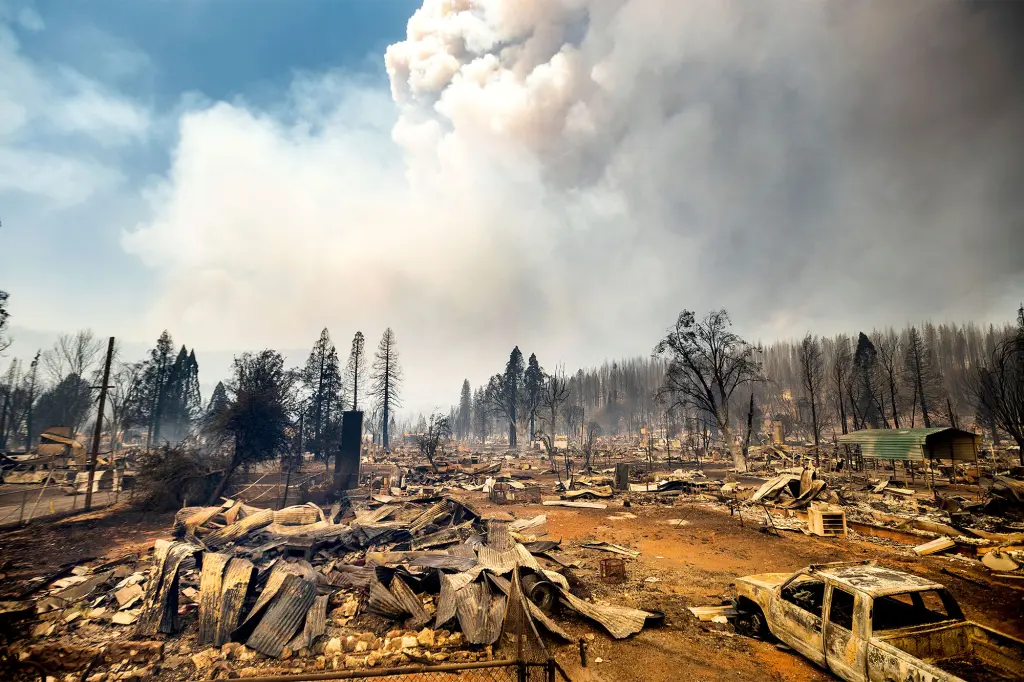
One of the biggest concerns was wildfire risk. AP reported that scientists and forecasters saw the early drought as a bad sign for the upcoming fire season, especially in already vulnerable western areas. Dry vegetation, low snowpack, and persistent heat can all increase how easily fires start and spread.
Another concern was water supply. AP pointed to low Colorado River reservoir levels and wider western water stress as part of the growing problem. When drought is already widespread in April, water systems have less margin for error heading into the hotter months, especially if snowmelt underperforms and demand rises.
Food prices were part of the story too. AP reported that drought at the start of the growing season could hit crops hard and add pressure to already elevated grocery costs. The risk is not just lower yields. It is the combination of weather stress, production costs, and supply pressure all arriving at the same time.
Why this matters for homeowners
Homeowners often think of drought as a farm issue first, but it reaches much further than agriculture. Long dry periods can raise wildfire exposure, strain local water supplies, dry out soils around foundations, weaken landscaping, and increase heat stress around homes and neighborhoods. That is an inference based on the reported wildfire, water-supply, and heat-related concerns tied to the April 2026 drought pattern.
Drought also matters because it can change the risk profile of an area before a disaster ever happens. A place that usually feels manageable in spring can become far more exposed by summer if brush dries out, reservoirs fall, and extreme heat builds on top of existing water stress. That is especially relevant in parts of the Southeast and West, where drought coverage was already unusually high by mid-April.
For buyers and existing owners, this is a reminder that climate risk is not only about one dramatic event like a flood or tornado. Slow-building hazards matter too. Drought can set up other problems that arrive later, from wildfire to water restrictions to rising cooling costs.
Why this story still matters now
This story matters because it signals risk before peak summer. By April 2026, the Lower 48 had already reached record drought coverage for that point in the year, and official drought tracking showed conditions still expanding. That makes this an early warning, not just a recap.
It also matters in the broader disaster picture. NOAA’s billion-dollar disaster database shows that the U.S. recorded major weather and climate losses again in 2025, including one drought event, alongside flooding, severe storms, tropical cyclones, wildfire, and winter storms. That broader pattern reinforces why dry conditions should be treated as part of climate-risk planning, not as a minor side issue. NOAA’s billion-dollar disaster database tracks those events directly.
How Get Climate Ready Helps
Stories like the April 2026 drought show why climate-risk planning cannot begin only after a wildfire starts or a reservoir drops to a crisis point.
Get Climate Ready helps homeowners, buyers, and communities look at climate risk earlier. That includes understanding local exposure, comparing areas more carefully, and thinking through practical resilience choices before a dry season becomes a bigger loss.
Whether you are reviewing wildfire exposure, thinking about water stress, or trying to understand long-term risk before buying or improving a property, Get Climate Ready gives you a better place to start.
Final takeaway
The April 2026 drought was not just a dry-weather headline. It was a warning that wildfire danger, water stress, and heat-related strain were already building early in the year. The lesson is simple: know your local risk, pay attention before summer, and plan before slow-building hazards turn into expensive ones.

