
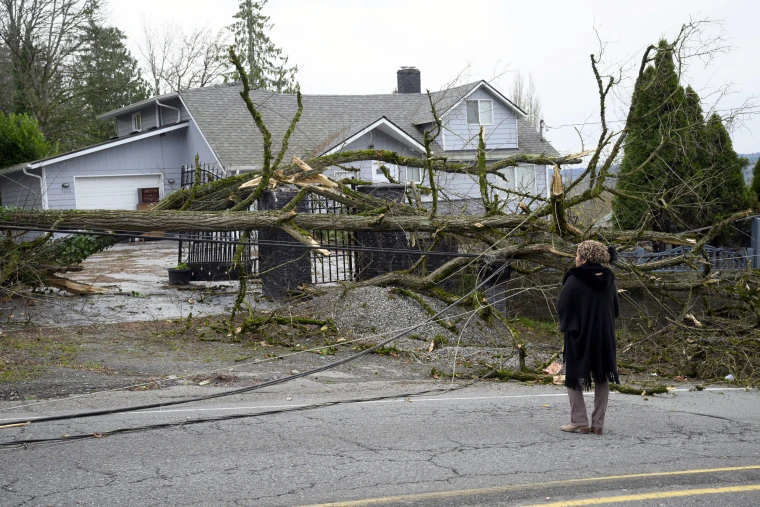
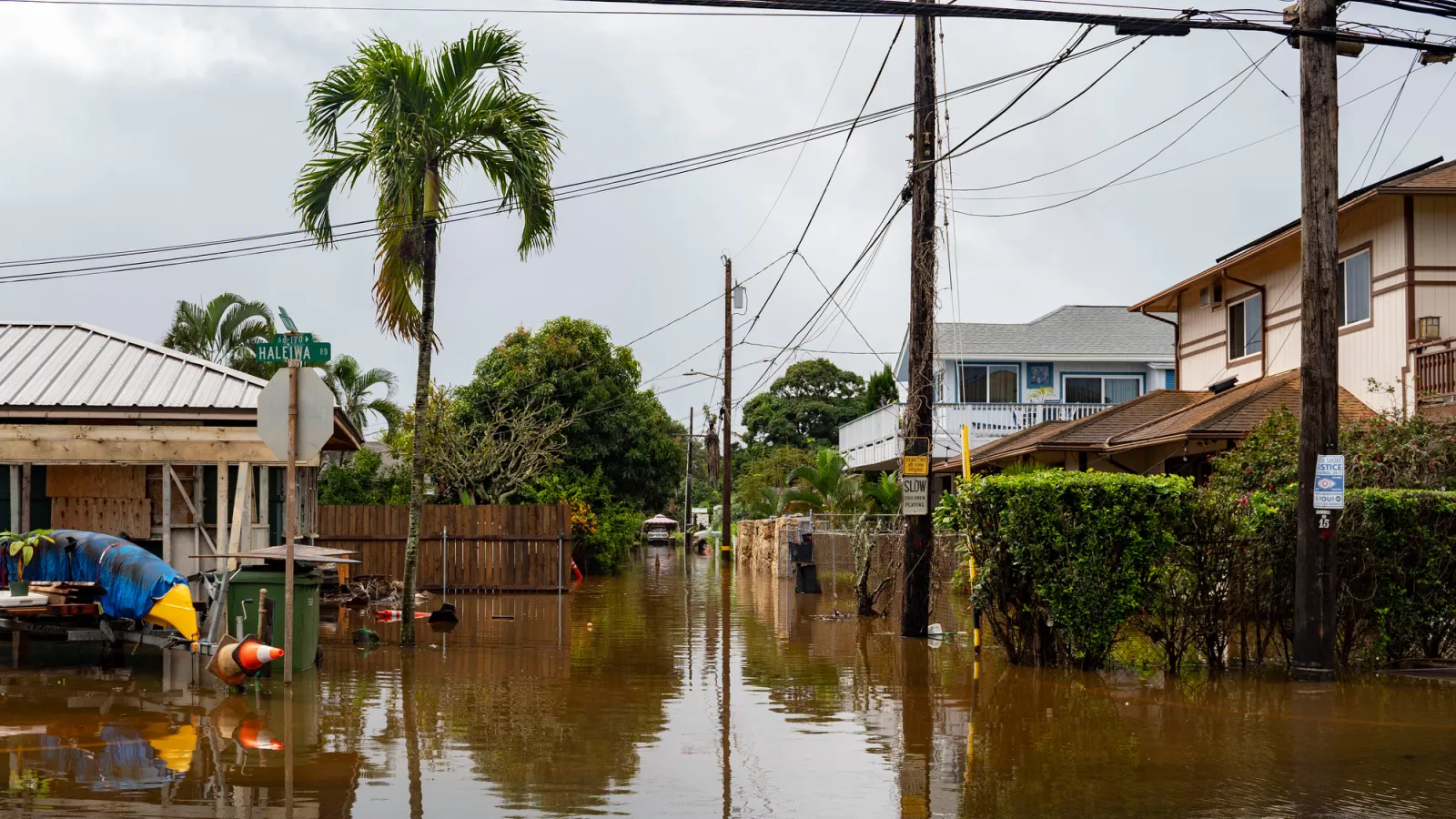
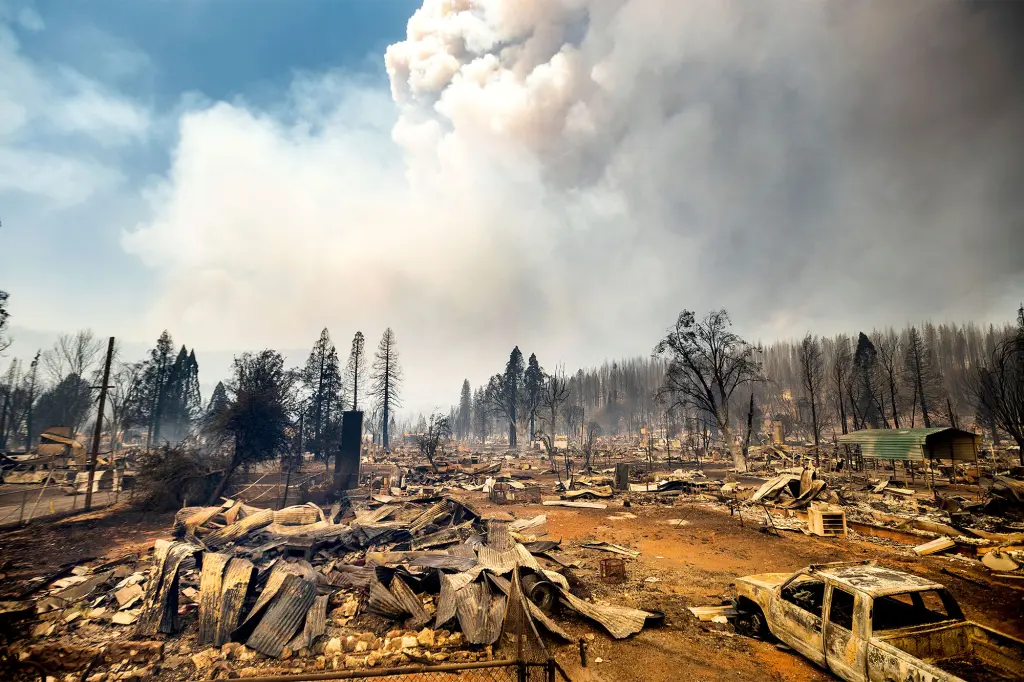


Washington’s November 17–23, 2024 bomb cyclone and related storms caused widespread damage from high winds, flooding, landslides, and mudslides. By April 2025, the state was still fighting for federal help after FEMA denied its request for disaster assistance tied to an estimated $34 million in damage. Governor Bob Ferguson said the request met the criteria and that FEMA denied it without explanation.
That is what makes this story worth covering now. The storm itself passed months ago, but the recovery fight became its own warning: damage does not end when the wind stops. Communities can still be dealing with broken infrastructure, repair bills, and delayed recovery long after the headlines move on.
How severe the storm damage was
Washington’s official emergency proclamation described the event as a series of storms beginning November 17, 2024, including a bomb cyclone that caused widespread damage from straight-line winds, heavy rain, flooding, landslides, and mudslides. The proclamation says the damage was serious enough that a state of emergency was first declared in nine counties, then later expanded to include Chelan and Jefferson counties as the full extent became clearer.
State reporting also said the storms claimed two lives and damaged public highways, utilities, and electrical systems across multiple counties. AP reported that the state’s request focused on damage to public property and infrastructure, with the preliminary estimate at $34 million, and officials said that number could still rise as counties updated their information.
Why the FEMA denial became such a major issue
The biggest turning point in this story came after the storm, not during it. FEMA’s April 11, 2025 letter said supplemental federal assistance under the Stafford Act was “not warranted,” denying Washington’s request for a major disaster declaration for Public Assistance and Hazard Mitigation related to the November 2024 event. The letter did not provide a detailed explanation beyond that conclusion.
That matters because FEMA’s public assistance program typically reimburses at least 75% of eligible costs tied to a declared disaster, according to the governor’s office. Washington officials said communities had already been waiting for months for recovery support when the denial arrived. In other words, the issue was not only the storm damage itself, but whether local governments would have enough outside help to repair roads, utilities, and other public systems without carrying the full burden alone.
The denial also drew attention because Washington said it had met the criteria. Governor Ferguson publicly said the application satisfied the standards for emergency relief and that the state would appeal. Later reporting from the Washington State Standard said FEMA rejected the state’s request again after appeal, leaving Washington without the federal disaster aid it had sought for the bomb cyclone damage.
What homeowners and communities can learn from this
One lesson is that recovery risk is not just about private homes. Storm damage to roads, power systems, drainage infrastructure, and public utilities affects how quickly entire communities can get back to normal. When aid is delayed or denied, the burden can shift back to local governments and residents, even if the original damage was clearly regional in scale. That is an inference based on the state’s damage description, the counties involved, and the focus on public infrastructure repair.
Another lesson is that Pacific Northwest storm risk is not only about rainfall. This event combined wind, flooding, landslides, and mudslides, which is exactly the kind of stacked hazard pattern homeowners should pay attention to. A home does not need to sit directly on a floodplain to face storm-related risk if access roads fail, slopes become unstable, trees come down, or local utilities are knocked out. That is an inference supported by the official storm descriptions and statewide emergency response.
There is also a financial lesson here. Even when some federal or state support exists through other channels, such as SBA disaster loans that were made available for certain counties after the bomb cyclone, that is not the same as broad disaster reimbursement for public recovery. Homeowners and communities should not assume that outside support will always arrive at the level they expect after a severe event.
Why this story still matters now
This story still matters because it shows how recovery can stall even after the immediate emergency is over. Washington had a state emergency proclamation, documented infrastructure damage, and a formal request for federal assistance, yet FEMA still concluded that help was not warranted. For homeowners and communities, that is a reminder that resilience is not only about surviving the storm. It is also about how well a place can recover when outside support is limited or delayed.
It also matters because the bomb cyclone was part of a broader run of high-cost weather disasters affecting many parts of the country. When severe events keep happening, a denied or delayed recovery process can leave communities more exposed before the next one arrives. That makes preparedness, maintenance, and local resilience even more important. This last point is an inference from the storm damage record and the recovery funding dispute.
How Get Climate Ready Helps
Stories like Washington’s bomb cyclone show why climate-risk planning cannot begin after the disaster declaration is requested.
Get Climate Ready helps homeowners, buyers, and communities look at risk before the next event hits. That includes understanding local exposure to wind, flooding, and slope-related damage, comparing safer locations, and thinking through practical resilience steps that may reduce future losses.
Whether you are reviewing storm exposure, planning upgrades, or trying to make better long-term decisions about where to live, Get Climate Ready gives you a better place to start.
Final takeaway
Washington’s bomb cyclone recovery fight was not just about one storm. It was about what happens when major damage is real but recovery support becomes uncertain. The lesson is simple: know your risks, prepare for overlapping hazards, and do not assume recovery funding will solve everything after the fact.

