
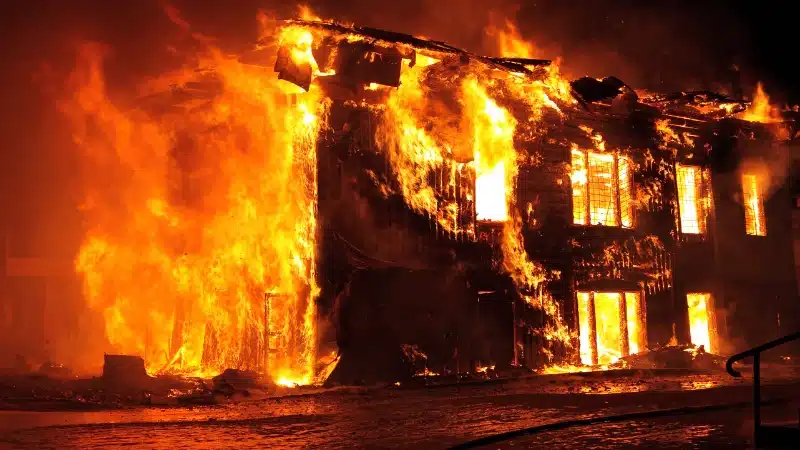

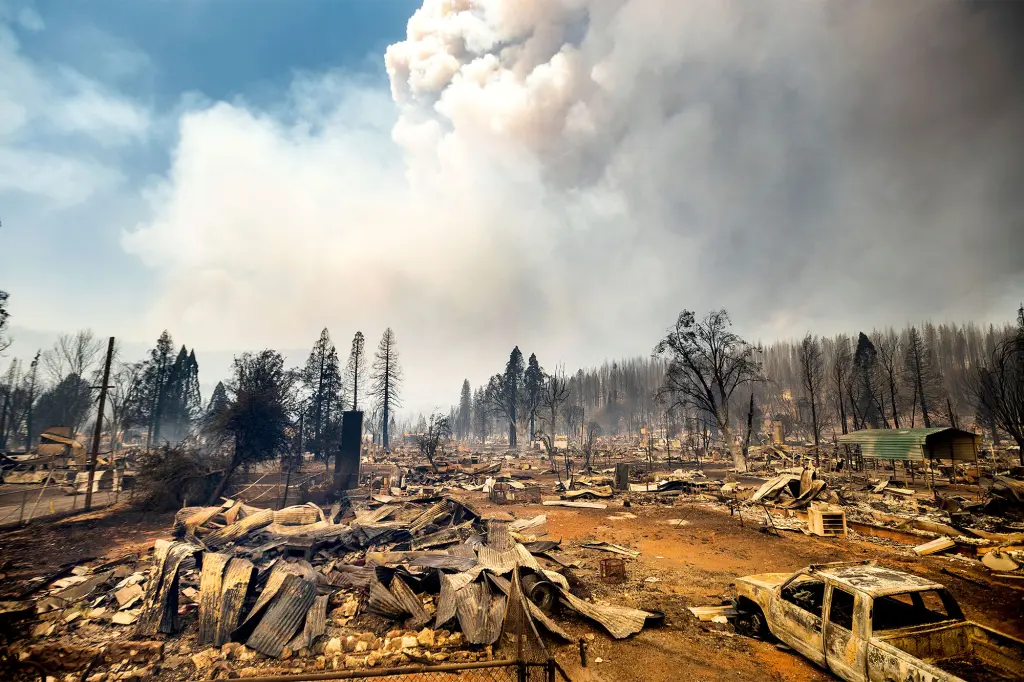

Most people assume homes burn down in wildfires because flames reach the walls. That’s rarely how it happens. The most common source of home ignition is from embers Fire Safe Marin—burning fragments carried by wind, sometimes more than a mile ahead of the fire itself. Up to 60 percent of wildland urban interface home ignitions result from embers Kensingtonfire.
Those embers land on roofs, pile up against walls, float through open vents, and ignite dry debris in gutters or under decks. A home can catch fire without the wildfire ever directly touching it. That’s why home hardening—upgrading your home’s materials, sealing its entry points, and managing the landscape around it—matters more than most homeowners realize.
This guide covers the core home hardening steps that reduce your home’s vulnerability to wildfire, starting with the areas that matter most.
The Problem: Homes Have Too Many Ignition Points
Every home has dozens of places where embers can enter or ignite combustible materials. Attic vents with mesh too large to block embers. Wood shake roofs. Debris-filled gutters. Combustible siding. Open eaves. Decks built from standard lumber with dry leaves piled underneath.
Home hardening is a method of utilizing construction features, building materials, and maintenance practices intended to increase a building and structure’s resistance to ignition from fire exposure, including direct flame contact, radiant heat and embers CA. It’s not about making your home fireproof—it’s about making it harder to ignite so that embers and radiant heat pass without starting a fire.
A coupled approach, using a fire-hardened home and good defensible space, is necessary to provide the greatest level of protection Fire Safe Marin. Neither one alone is enough. A hardened home surrounded by brush will still be at risk. A well-cleared lot with an unhardened home will still burn if embers find an entry point.
Start With the Roof: Your Largest Vulnerability
Your roof has the most surface area exposed to falling embers, which makes it the highest-priority upgrade. The roof is the most vulnerable part of your home. Homes with wood shingle roofs are at high risk of being destroyed during a wildfire Ready for Wildfire.
What to do:
Replace combustible roofing with Class A-rated materials. Opt for composite, asphalt, metal, clay, or tile roofing to resist fires Ready for Wildfire. Class A is the highest fire-resistance rating and is required by code in many wildfire-prone areas.
Beyond the roofing material itself, close off any gaps under tiles or shingles where embers can lodge. Close off gaps under roof tiles and shingles to block wind-blown embers. Regularly clear leaves, pine needles, and other debris from the roof to prevent ignition Ready for Wildfire.
Debris buildup is especially dangerous where the roof meets walls, chimneys, or skylights. These intersections trap embers and organic material in exactly the spots where fire can take hold. Clean them before every fire season.
Seal Your Vents: The Most Overlooked Entry Point
Vents on homes create openings for flying embers. Ember entry through vents can result in ignition of combustible materials in the attic or crawl space, and result in a building burning from the inside out Fire Safe Marin.
Standard attic, soffit, and crawlspace vents often have mesh openings large enough for embers to pass through. Even 1/4-inch mesh—which meets some building codes—is too large to stop embers effectively.
What to do:
Install 1/16-inch to 1/8-inch noncombustible, corrosion-resistant metal mesh over vents to block embers. Avoid fiberglass or plastic meshes, which can melt Ready for Wildfire.
For stronger protection, replace standard vents entirely with ember-resistant vents that are designed to close automatically when exposed to heat or flame. It is recommended to replace vents with flame and ember-resistant vents for enhanced protection Ready for Wildfire.
Cover your chimney and stove pipe outlets too. Use metal screen material with openings no smaller than 3/8-inch and no larger than 1/2-inch to prevent embers from escaping and igniting a fire Ready for Wildfire. And close the flue during fire season when the chimney isn’t in use.
Upgrade Your Windows
Windows break under radiant heat before flames ever reach the house. Once the glass breaks, embers fly in and ignite whatever is inside. The glass in windows can break during a wildfire due to direct flame contact with the house or excessively hot radiant heat exposure. Broken windows allow embers and flames to enter the home Yolofiresafe.
What to do:
Fit dual-paned windows with at least one tempered glass layer to withstand fire-induced breakage Ready for Wildfire. Tempered glass is roughly four times stronger than standard glass under heat stress.
Limit the size and number of windows facing large vegetation areas to reduce radiant heat exposure. Add screens to all operable windows to catch embers and reduce heat Ready for Wildfire. Single-pane and large windows are the most vulnerable—prioritize replacing those first if a full window upgrade isn’t in the budget.
Replace or Protect Combustible Siding
Wood siding, vinyl siding, and other combustible exterior materials give fire a foothold once embers land against the wall or radiant heat reaches it.
What to do:
Avoid flammable siding. Preferred materials include stucco, fiber cement, or specially treated wood. Ensure the selected materials extend from the foundation to the roofline for comprehensive protection Ready for Wildfire.
If a full siding replacement isn’t feasible, focus on the first five feet from the ground up—this is where embers accumulate and where radiant heat from burning vegetation is most intense. Replacing just the lower portion with noncombustible material significantly reduces ignition risk.
Harden Your Deck
Standard wood decks are a major fire liability, especially when they have combustible materials stored underneath. Create an ember-resistant zone under the deck footprint extending five feet outward to reduce the likelihood of under-deck flame exposure. Use hardscapes like gravel, pavers, or concrete CA.
What to do:
Construct decks from ignition-resistant building materials like composite Ready for Wildfire or other Class A-rated alternatives. Remove all flammable materials—firewood, cardboard, dry leaves—from underneath.
Replace deck boards with ignition-resistant, noncombustible, fire-retardant-treated wood, or material that complies with performance testing standards CA. If replacing the entire deck isn’t an option, at minimum replace the boards closest to the house and install metal flashing where the deck meets the exterior wall.
Close Off Your Eaves
Open eaves—the area under the overhang where your roof extends past the wall—trap hot gases and embers. Eaves and soffits are vulnerable to damage from wildfires due to accumulation of hot gasses Fire Safe Marin.
What to do:
Box in eaves using ignition-resistant or noncombustible materials to prevent ember entry Ready for Wildfire. Enclosed soffits with fire-rated materials are far more resistant than open eaves. If your soffits are already enclosed but made of vinyl or thin wood, upgrade them to fiber cement or metal.
Create Your Defensible Space Zones
Home hardening works best when combined with proper defensible space—the buffer between your home and the wildfire fuel around it. The majority of homes lost to wildfire are first ignited by embers and small flames. By reducing the susceptibility of the home and the area immediately around the home, the chances of a home surviving a wildfire are greatly increased Wildfirerisk.
Defensible space is organized into three zones:
Zone 0 (0–5 feet from the house): The ember-resistant zone. This zone should not include any combustible materials or vegetation Building America. Use gravel, pavers, or concrete instead of bark mulch. Remove dead plants, leaves, and debris from this area. This is the single most impactful zone to maintain.
Zone 1 (5–30 feet): The intermediate zone. Reduce flammable materials, space out shrubs and trees, create fuel breaks with hardscaping like walkways and patios. Keep grass short and irrigated.
Zone 2 (30–100 feet): The extended zone. Thin trees so there’s at least 18 feet between crowns. Remove dead vegetation, ladder fuels (lower branches that let fire climb into tree canopy), and anything that could carry fire toward the house.
How GetClimateReady Fits: Finding Wildfire Hardening Contractors
Home hardening involves multiple trades—roofing, siding, vent installation, deck construction, and vegetation management. GetClimateReady connects homeowners in wildfire risk areas with contractors who handle these upgrades:
- Wildfire Hardening Specialists: Contractors who assess your home’s vulnerabilities and install ember-resistant vents, fire-rated roofing, noncombustible siding, and deck upgrades
- Defensible Space Contractors: Professionals who clear vegetation, create fuel breaks, and manage the landscape zones around your property
- General Climate Resilience Contractors: Builders who handle multi-trade projects including window replacement, soffit enclosure, and home retrofitting for fire and storm protection
Each contractor profile on GetClimateReady includes their service area and specialties so you can find the right professional for the specific upgrades your home needs.

