
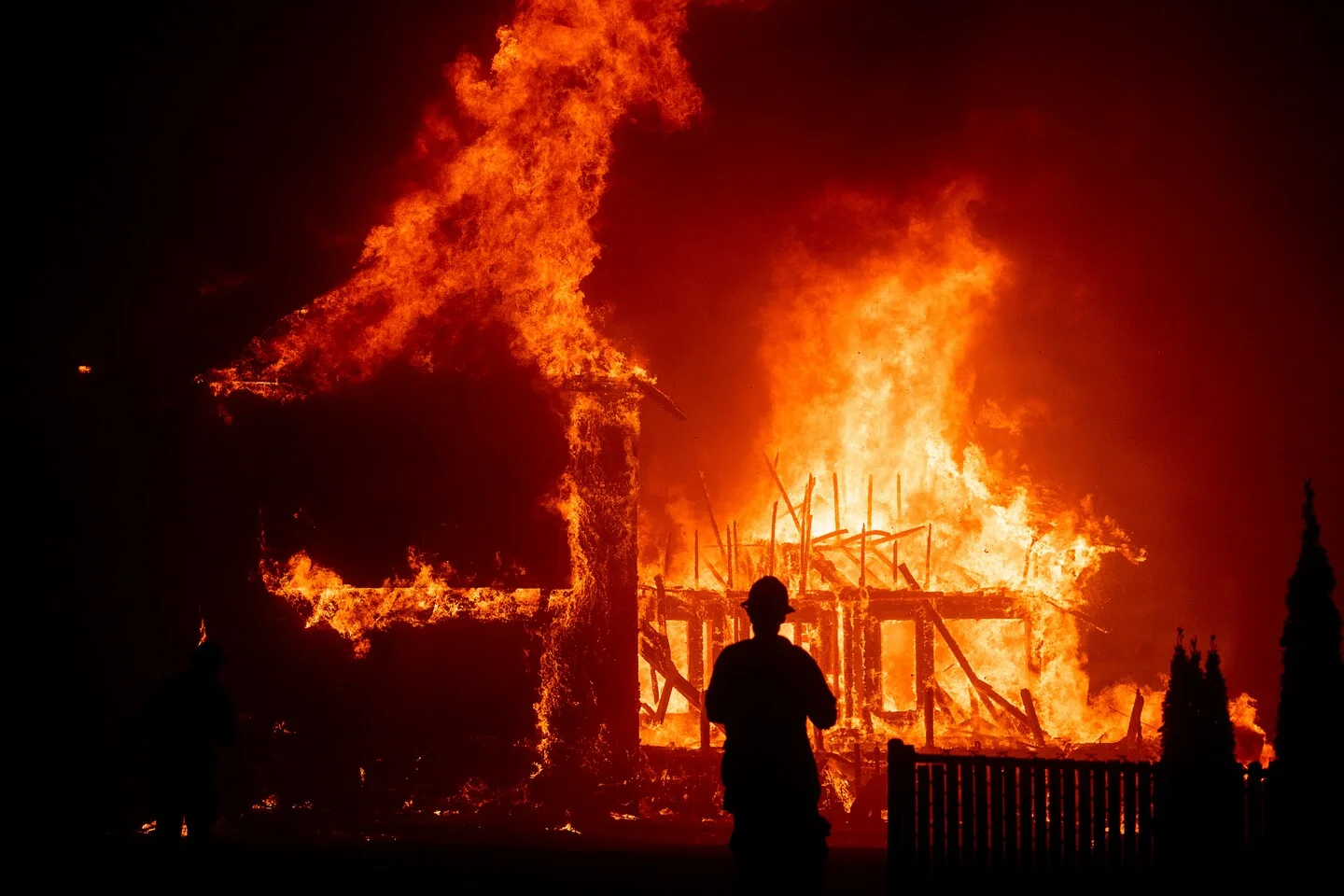
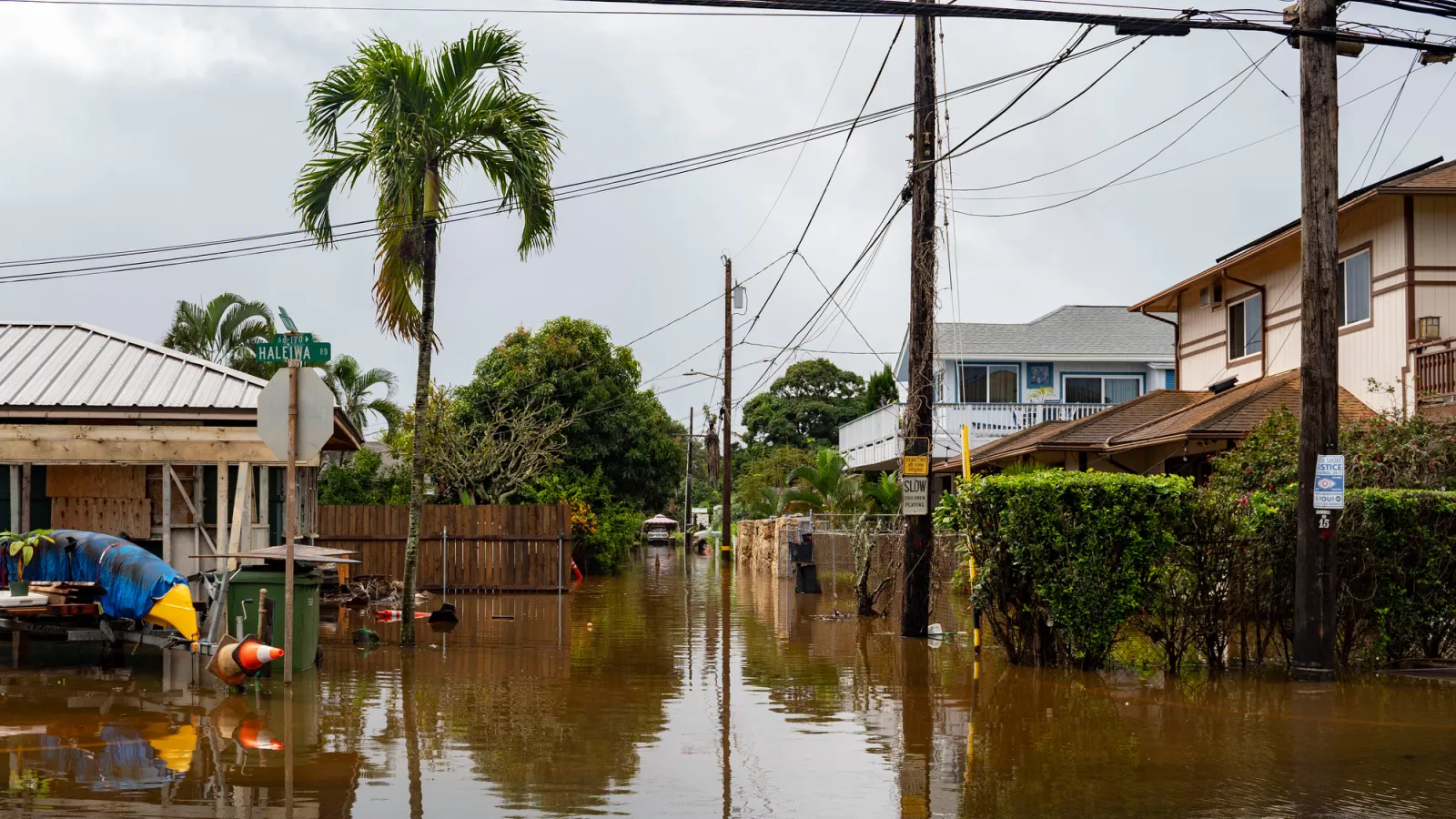
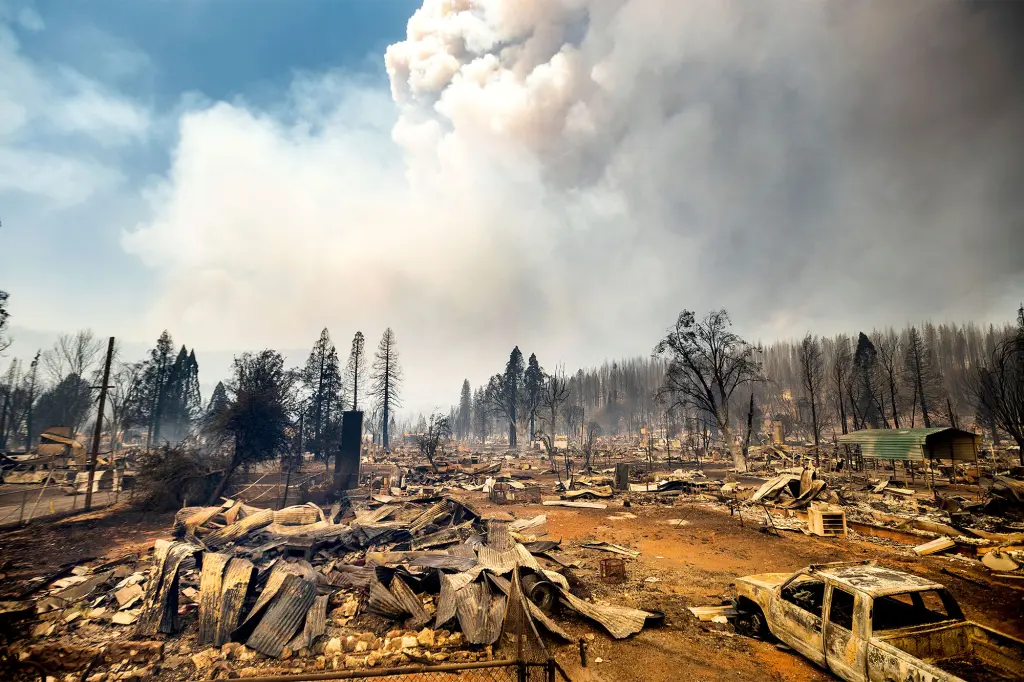

Wildfire damage does not stop when the fire is contained. In 2026, survivors are still facing rising recovery costs tied to rebuilding, insurance gaps, and now a newer problem: some settlement payouts may be treated as taxable income. The Associated Press reported on April 20, 2026 that thousands of survivors of the 2025 Eaton Fire in Altadena, along with some survivors of other fires in Colorado, Hawaii, and Oregon, could face steep tax bills on compensation unless Congress extends disaster-related tax relief.
That matters because compensation is supposed to help families rebuild or relocate. If a large share of that money is reduced by taxes, recovery becomes even harder at a time when many households are already dealing with high construction costs, insurance disputes, and temporary housing pressure. AP reported that some survivors fear the tax hit could take as much as 37% of a payout and could even affect eligibility for some government benefits.
Why wildfire recovery is still getting more expensive
One reason is that rebuilding after a major fire costs more than many families expect. Even when people receive insurance proceeds or settlement money, those funds may not fully match current labor, materials, code requirements, and site cleanup costs. AP said many Eaton Fire survivors chose faster upfront settlements because they needed money sooner to rebuild or move, rather than waiting through years of litigation.
Another reason is that tax policy has added uncertainty. AP reported that Congress had previously created temporary protections that shielded some wildfire-related compensation from taxes, but those exemptions expired at the end of 2025. A bipartisan bill has been introduced to reinstate and extend relief for victims of federally declared disasters through 2026, but AP said it is still unclear when or whether that measure will move forward.
For survivors, that creates a difficult situation. Money meant to cover a catastrophic loss may arrive with a second financial shock attached. And because rebuilding and relocation decisions often have to be made quickly, many families do not have the option to simply wait for policy changes.
Why this matters beyond California
This is not only a California story. AP reported that the same tax issue could affect survivors of fires in Colorado, Hawaii, and Oregon too. That makes it a broader wildfire recovery issue, especially in places where people rely on settlements or compensation to move forward after a disaster.
It also shows that recovery risk goes beyond the initial event. A wildfire can destroy a home in days, but the financial consequences can stretch for months or years. Insurance shortfalls, payout timing, tax treatment, and rebuilding inflation all shape whether a household can actually recover. That is an inference based on AP’s reporting about taxable compensation, fast settlements, and ongoing rebuilding pressure.
What homeowners can learn from this
The first lesson is that post-disaster costs can keep changing after the emergency is over. Homeowners often think about the fire itself, but the longer recovery process may include legal, tax, insurance, and relocation issues that are just as important financially.
The second lesson is that climate risk planning should include more than property protection. It should also include document storage, insurance review, financial contingency planning, and an understanding of what types of payouts may or may not be protected after a disaster. That is an inference from the way AP describes the tax risk now affecting compensation that survivors counted on for recovery.
The third lesson is that recovery timelines matter. Families who need quick money may accept faster settlements because they cannot wait years. But when policy is unsettled, even fast payouts may not provide the certainty people expected.
Why this story still matters now
This story matters because it shows that wildfire recovery is not a clean sequence of fire, cleanup, and rebuild. Costs can keep rising long after the flames are gone. In 2026, some survivors are learning that even compensation itself may come with new financial pressure attached.
For homeowners in wildfire-prone areas, that is a warning. The true cost of a fire is not only the immediate loss. It is also the long tail of rebuilding, paperwork, housing disruption, and financial uncertainty that can follow.
How Get Climate Ready Helps
Stories like this show why climate-risk planning cannot begin after a wildfire destroys a home.
Get Climate Ready helps homeowners, buyers, and communities understand wildfire exposure earlier, think through resilience improvements before a loss, and make better long-term decisions about where and how to live. That includes looking beyond the event itself to the wider financial and recovery risks that follow.
Whether you are reviewing wildfire risk, comparing locations, or planning practical resilience steps before fire season, Get Climate Ready gives you a better place to start.
Final takeaway
Wildfire recovery costs do not end when the flames are out. In 2026, survivors are still facing rising rebuilding pressure, insurance challenges, and possible taxes on compensation meant to help them recover. The lesson is simple: prepare earlier, review your financial exposure, and do not assume recovery ends with the first payout.

