

Wildfires used to ease up at night. Cooler temperatures and higher humidity often gave firefighters and residents a short break before conditions worsened again the next day. New research suggests that pattern is changing. AP reported this week that the number of hours in North America when weather is favorable for wildfires is now 36% higher than it was 50 years ago. The same reporting said the number of fire-prone days each year has increased 44%, adding about 26 more days to the annual fire season.
That matters because nighttime used to be one of the few predictable slowdowns in wildfire behavior. When fires keep burning aggressively after dark, emergency response becomes harder, evacuations become more dangerous, and homes have less time to recover between flare-ups. AP linked this shift to hotter, drier nights, which reduce the normal humidity rebound that once helped calm fires overnight.
What the new wildfire research found
The new study, covered by AP and published in Science Advances, found that fire-favorable hours have risen sharply across North America since the 1970s. The increase is not uniform, but some of the biggest jumps have been seen in places such as central Arizona and southwestern New Mexico, where AP reported some areas are seeing as much as 2,000 more fire-prone hours a year than in the mid-1970s. California was reported to have roughly 550 more potential burning hours.
The study also looked at nearly 9,000 fires across North America from 2017 to 2023 using satellite data and atmospheric modeling. That matters because this was not just a theory about warmer weather. It was an attempt to connect real fire behavior with the weather conditions that help fires keep spreading. AP reported that around 60% of fires reached peak intensity within 24 hours of detection, which helps explain why longer burning windows are such a serious concern.
Why nighttime fire behavior is changing
The short version is that nights are warming faster than many people realize. AP reported that average U.S. summer nighttime lows have risen by 2.6°F since 1975, faster than daytime highs. Warmer nights mean fuels stay drier, humidity does not recover as much, and fire conditions remain active later into the evening and overnight.
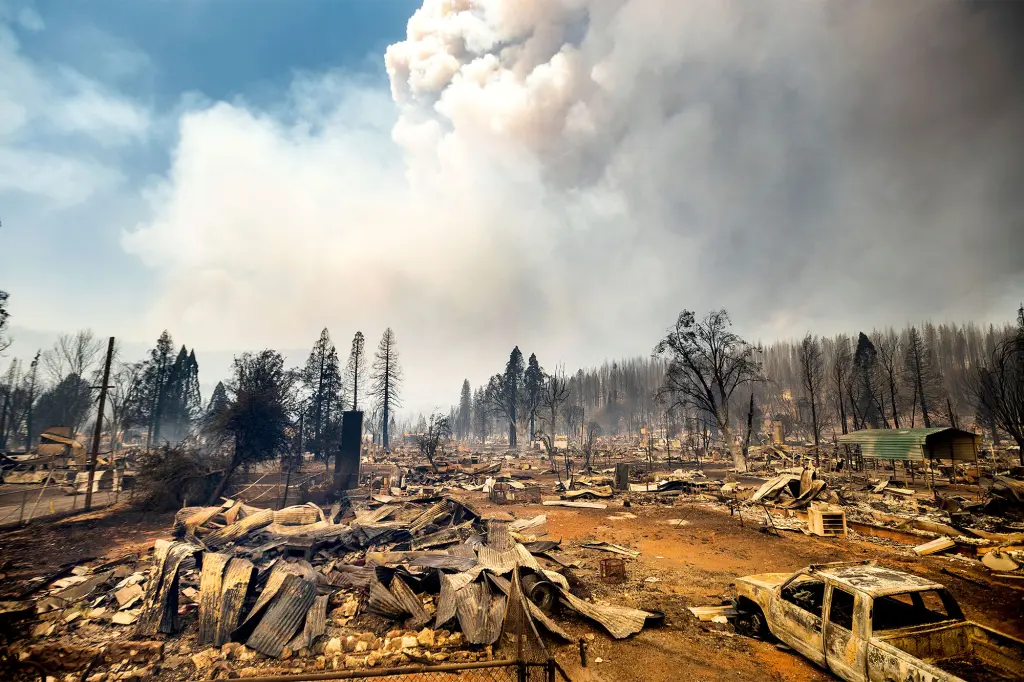
That changes the rhythm of a wildfire. Fires that once slowed after sunset can now keep moving, throwing embers farther and giving firefighters fewer opportunities to contain them. AP pointed to recent fires in Maui and Los Angeles as examples of blazes that burned aggressively at night, adding to the danger for residents and response crews.
This also matters because homeowners often assume nighttime gives them a buffer. In many wildfire-prone areas, people are used to thinking that fire behavior becomes less intense after dark. That assumption becomes riskier when overnight conditions stay hot and dry.
What this means for homeowners
The biggest lesson is that wildfire exposure is not only a daytime problem. If fire-favorable hours now stretch further into the night, homeowners may have less warning time and less margin for error during an active fire. That means evacuation planning, home hardening, defensible space, and roof and vent protection become even more important. That is an inference based on the study’s finding that the window for fire-conducive weather has expanded significantly.
It also means property risk should be viewed over a longer part of the day and year. AP reported that fire-prone days have increased by 44%, which means the season itself is stretching as well. Longer seasons and longer daily burn windows increase pressure on homeowners, firefighters, insurers, and communities at the same time.
For buyers, this is another reminder that wildfire risk is not only about whether an area has burned before. It is also about how local conditions are changing. Hotter, drier nights can make a familiar level of risk less manageable than it used to be.
Why this story still matters now
This story matters because it changes a long-standing assumption about wildfire behavior. Fires used to “go to sleep” more often at night. AP’s reporting on the new study suggests that is happening less often, and that shift makes fires harder to predict and harder to control.
It also matters because this is not just a western mountain story. While the strongest increases are in the Southwest and parts of the West, the study looked at wildfire conditions across North America as a whole. That means the broader warning is clear: fire seasons are becoming longer, and the safer nighttime window is becoming less reliable.
How Get Climate Ready Helps
Stories like this show why climate-risk planning cannot start when smoke is already in the air.
Get Climate Ready helps homeowners, buyers, and communities understand wildfire exposure earlier, compare risk more clearly, and think through practical steps before the next fire season arrives. That includes looking at wildfire-prone areas, reviewing resilience options, and making better decisions about where and how to live.
Whether you are assessing a home in a fire-risk area, planning defensible-space improvements, or trying to understand changing climate conditions before you buy, Get Climate Ready gives you a better place to start.
Final takeaway
Wildfires are no longer following the same daily pattern many people expect. With hotter, drier nights helping fires stay active longer, the old assumption that danger drops after sunset is becoming less reliable. The lesson is simple: treat wildfire risk as an around-the-clock issue, not just a daytime one.

